
This article discusses some of the distinct advantages and aspects of Wood Pellet that make it stand out in terms of effectiveness and sustainability.
1. High Energy Efficiency
-
Average calorific value: 4,100–4,600 kcal/kg, higher than most natural biomass fuels (sawdust, firewood, rice husk, coffee husk, etc.).
-
Produced with low moisture content (6–10%), ensuring stable combustion and minimal energy loss.
-
Thermal efficiency can reach 90–95% when used in industrial boilers or automatic heating systems.
2. Environmentally Friendly
-
Made from natural wood residues (sawdust, wood shavings, offcuts) — no deforestation involved.
-
Carbon neutral: CO₂ emitted during combustion equals the amount absorbed by trees during growth.
-
Contains almost no sulfur (S) or nitrogen (N) → reduces SOx, NOx, and fine dust emissions.
-
Very low ash content (0.3–1.5%), and the ash can be reused as natural potassium fertilizer.
3. Stable and Safe Operation
-
Uniform size (6–8 mm) and low moisture make it easy to feed automatically and burn consistently.
-
No explosion risk compared to oil, gas, or coal dust.
-
Easy to store — does not mold or absorb moisture if kept properly.
4. Economic Efficiency
-
Energy cost per kcal is 30–60% lower than diesel or heavy oil, and 10–20% lower than clean coal.
-
Reduces boiler maintenance costs thanks to low ash and minimal residue.
-
Can completely replace fossil fuels in many industries: textiles, food processing, paper, ceramics, cement, and woodworking.
5. Export Potential and Global Standards
-
Meets international certifications: FSC, PEFC, ENplus-A1, JIS, KS, suitable for Korea, Japan, and EU markets.
-
Recognized as a renewable biomass fuel, supported by many national clean-energy policies.
-
Eligible for REC (Renewable Energy Certificates) when used in biomass power plants.
6. Flexible Applications
-
Usable for industrial boilers, residential heating systems, and biomass power plants.
-
Can be co-fired with coal or pressed into briquettes for domestic use.
-
Convenient for export — easily transported by jumbo bags, containers, or bulk vessels.
Conclusion
Wood pellets are a sustainable, high-performance, and cost-effective energy solution that bridges the gap between economic growth and environmental responsibility. With outstanding energy efficiency, stable combustion, and minimal emissions, they serve as an ideal replacement for fossil fuels across industrial and residential applications. As global demand for clean energy continues to rise, wood pellets stand out as a strategic and eco-friendly fuel for a greener future.
Related Posts

Southeast Asia Biomass Pellet Market Shift in 2026: Rising Competition and Structural Challenges for Vietnam
1. Indonesia: The Leading Competitive Threat Indonesia has emerged as Vietnam’s most formidable competitor in the South Korean market. Current Market Situation Overtaking Vietnam: Indonesia overtook Vietnam to become the...
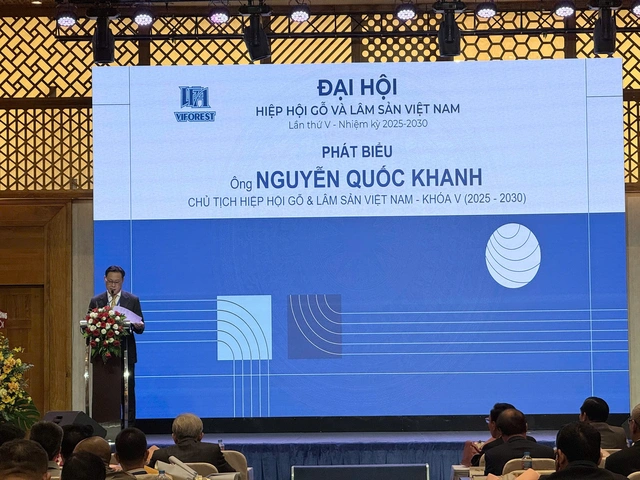
Đại hội đại biểu Hiệp hội Gỗ và Lâm sản Việt Nam (Viforest) nhiệm kỳ V (2025–2030)
HIỆP HỘI GỖ VÀ LÂM SẢN VIỆT NAM TỔ CHỨC ĐẠI HỘI NHIỆM KỲ V (2025–2030) Đại hội Viforest nhiệm kỳ 2025–2030: Định hướng phát triển bền vững, mục tiêu...